Back
Back






In the sales world, training programs are crucial for business success. Yet, studies reveal that 65% of these programs fail to deliver the desired outcomes. The result? Not only do we waste resources, but we also miss chances that could elevate our business growth. Let’s delve into why these programs falter and, more importantly, how to turn these failures into success.
Steering clear of these common pitfalls will lead to your success and business growth. Understanding these primary reasons for failure is a good stepping stone to designing impactful training initiatives.
When sales training programs fall short, it can have serious consequences for both the sales team and the organization as a whole. Here are some of the significant outcomes:
To avoid such outcomes, we are here to provide you with effective solutions.
To ensure successful sales training, it’s essential to simulate hypothetical business scenarios as if starting anew. Our transparent, dynamic coaching method guides sales reps from start to goal. This approach sets a clear standard for achieving our sales targets consistently.
Creating a customized sales training program involves thoroughly understanding the business needs through a comprehensive survey. We identify challenges, key brand ambassadors, and areas for improvement. With this insight, we can tailor training programs to benefit everyone involved. This approach ensures that employees receive training that addresses current trends and changes in the market.
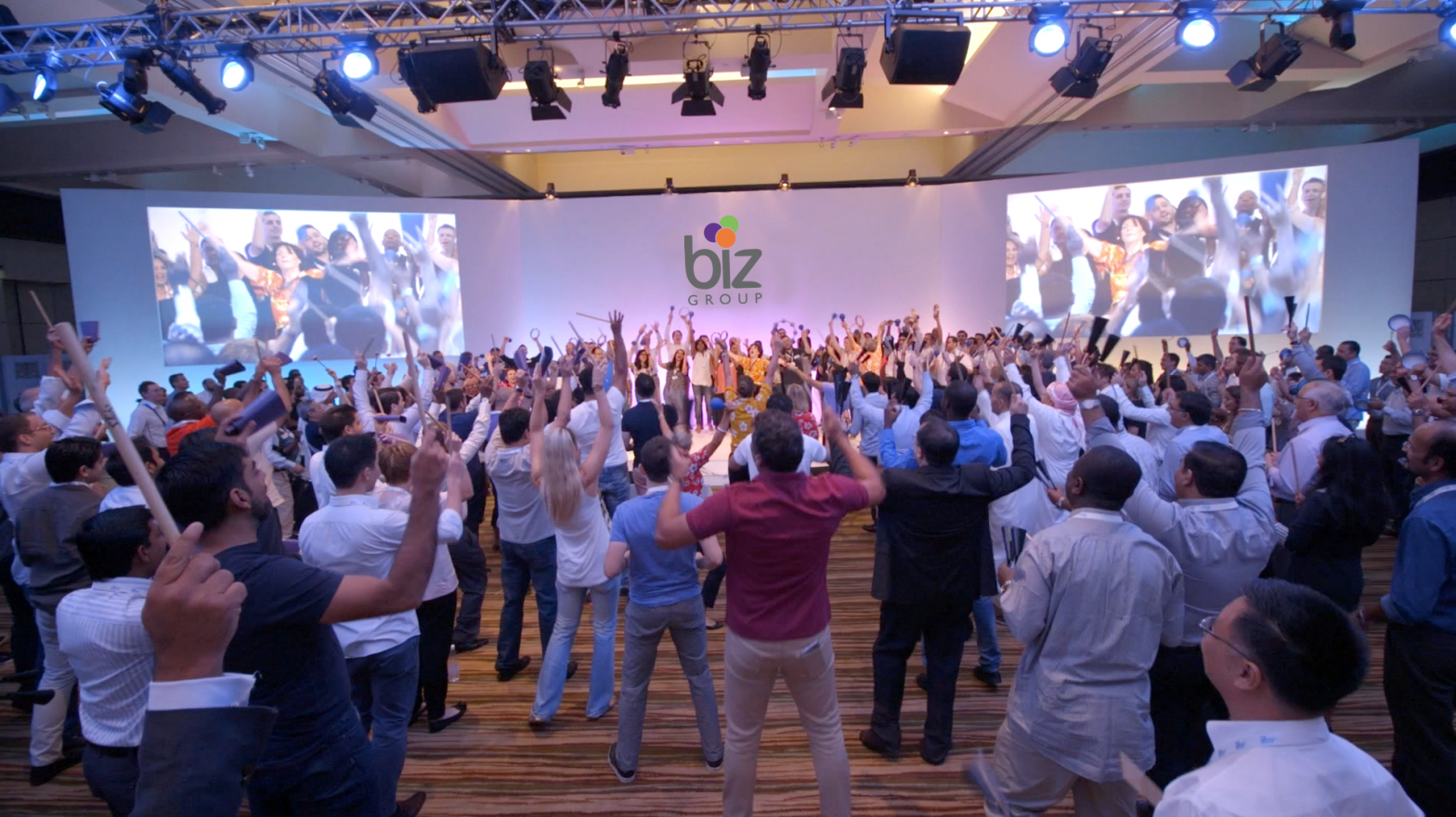
While we employ lecture-style methods, we encourage a dynamic learning approach where employees learn from each other. Through interactive activities and role-playing, they gain practical skills for real-life sales situations.
Continuous coaching and practice are vital for salespeople to develop and maintain their skills. In the ever-changing sales industry, live coaching helps them navigate complex PR situations effectively over time. Axonify is the top choice for workforce enablement. It streamlines sales training and integrates new hires seamlessly. Partnered with Biz Group, it offers innovative LMS tactics. Axonify scales easily, reaching employees in over 60 languages. With Axonify, organisations get a comprehensive solution for boosting workforce productivity.
For more Al-based micro-learning insights, read our blog here.
To excel in sales, ensure that our training aligns with your organization’s needs. Offering up-to-date data and insights enables sales leaders to cultivate robust sales teams. In these times, where staying ahead of the trends is crucial, we would recommend finding the most highly-skilled training staff who are experts in their respective fields. This allows all training material to be current and not outdated.
Implementing a KPI tracker such as the Kirkpatrick Model offers valuable insights into the effectiveness of sales training. This approach is mostly beneficial during critical sales periods, employee onboarding, and efforts to enhance client relationships. By monitoring sales growth and customer retention, organizations gain a comprehensive understanding of performance and can make informed decisions for future initiatives.
Effective sales training programs offer long-term benefits and desired outcomes. It’s imperative to boost sales when targets are missed and support the sales team to reach goals.
When sales reps are motivated, they understand the importance of their role in the company. Regular guidance and support increase retention in organisations where sales staff are motivated. Job satisfaction is a top priority for sales employees, making them feel valued and secure in their work.
Successful sales representatives drive sales quotas higher through effective pitching and sales training. Meeting targets promotes business growth and expands the post-purchase customer journey, leading to satisfied sales staff. With increased traction and improved business reputation, employee performance continually improves.
Effective sales training improves the relationship between agents and customers. By following proper sales procedures and building product knowledge and rapport, businesses see increased profits and growth from their customer base. It also helps in long-term innovation, expanding sales reach to outperform competitors.
Sales training programs, when conducted effectively, enhance talent and resource allocation. Through tailored guidance, tutorials, and live coaching, they pave the way for profitable success. Crafting a compelling sales training program requires a dynamic approach, fueled by modernised strategies and a supportive environment.
Ready to elevate your sales team to new heights? Download our comprehensive ebooks today for expert insights and strategies. You can also sign up for our next event to enhance your knowledge on industry trends and sales training techniques. Need personalised assistance with your sales programs? Contact us now to see how we can help drive your success.